Delicious uzbek cuisine. I love the taste of foods. I put 3 star for the service, yes they need to improve their system in customer and waiters communication. Need to improve service.
Overview
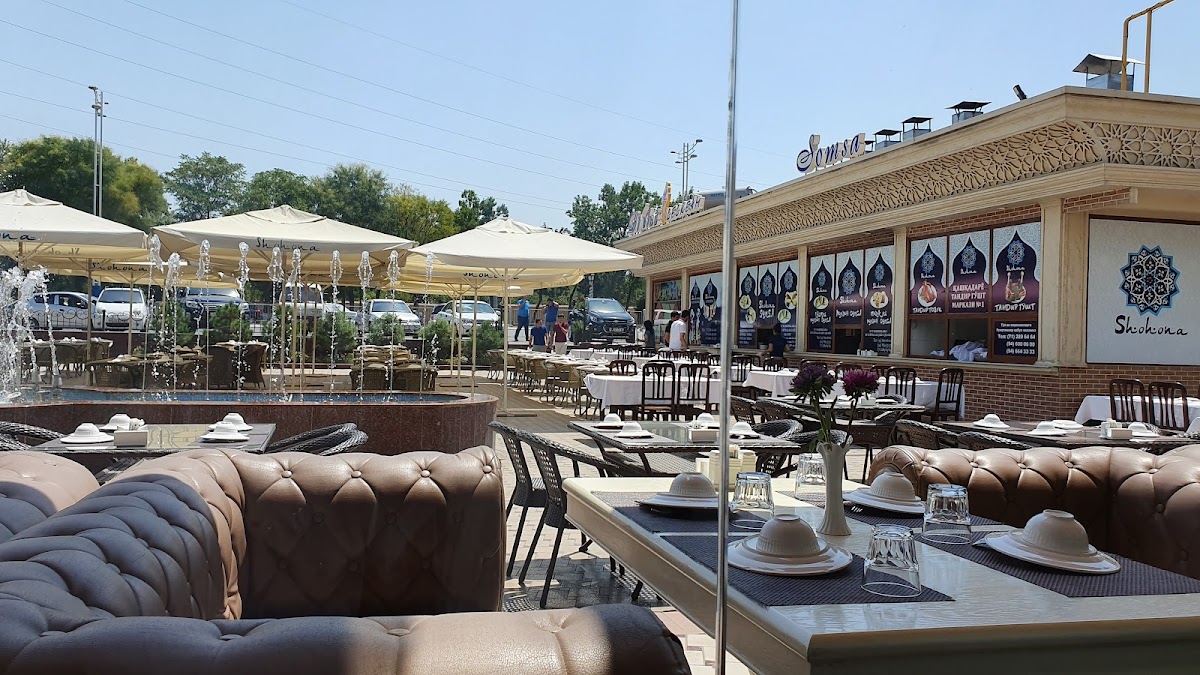
Tucked along Mirzo Ulugbek Avenue 1 in the heart of Tashkent, Family Restaurant shohona feels like the kind of place you discover once and then keep returning to with friends, cousins, and out-of-town guests. The location is easy to find, right on a lively stretch of the city, yet once you step inside, the buzz of traffic gives way to warm lighting, carved wooden details, and that unmistakable aroma of fresh bread coming out of a tandoor.
The first time I visited, it was on the recommendation of a local colleague who insisted this was where his family celebrates birthdays. We arrived just before sunset, and within minutes the tables were filling up with multigenerational groups. That alone says a lot. In a city like Tashkent, where traditional Uzbek cuisine holds deep cultural meaning, a restaurant earns trust slowly. Places that last are the ones that respect heritage while delivering consistency.
The menu is rooted in Uzbek classics-plov, shashlik, lagman, samsa-yet presented in a way that feels polished rather than overly rustic. According to data shared by the United Nations World Tourism Organization, culinary experiences are one of the top motivations for international travelers. Restaurants like this bridge that gap, offering authentic regional food in a setting that feels welcoming even to first-time visitors. When I ordered the plov, I paid attention to the details: the balance of rice texture, the tenderness of lamb, the careful distribution of carrots and spices. Good plov isn’t just cooked; it’s layered and steamed methodically. The staff explained that their chef follows a staged cooking process-browning meat first, then adding onions and carrots, and finally layering rice before sealing the kazan to let everything infuse properly. That technique is consistent with traditional Central Asian methods documented by regional culinary institutes.
Service here leans toward attentive without being intrusive. On my second visit, I brought a small group of foreign guests who were unfamiliar with Uzbek dishes. The waiter took time to describe each item, explaining how lagman noodles are hand-pulled and how shashlik is marinated before grilling over charcoal. That small educational touch builds confidence, and it aligns with recommendations from hospitality research published by organizations like the World Travel & Tourism Council, which highlights staff knowledge as a key driver of positive dining reviews.
Another strength is portion size and pricing. Portions are generous, designed for sharing, which reinforces the family-style concept. We ordered several plates and placed them in the center of the table, and the meal naturally turned into a communal experience. There is something reassuring about a restaurant that understands local dining culture instead of trying to imitate international trends.
From a hygiene and presentation perspective, everything appeared well-managed. Tables were cleared quickly, and dishes arrived hot and neatly arranged. While I do not have direct access to official inspection records, the visible standards and steady local patronage provide practical reassurance. In Uzbekistan, word-of-mouth reputation still carries enormous weight, and this venue consistently receives favorable reviews from residents.
What stands out most is the atmosphere. The décor blends traditional Uzbek patterns with modern seating layouts, making it suitable for both casual dinners and small celebrations. I have seen families take photos near decorative walls, and I have also witnessed business meetings unfolding over tea and fresh non bread. That versatility suggests thoughtful space planning rather than random interior design.
In-depth knowledge of regional ingredients also shows. The use of fresh herbs, properly marinated meats, and balanced spices indicates an understanding of flavor structure rather than just following recipes mechanically. Experts in food science often note that layered seasoning-building flavor gradually during cooking-enhances depth and aroma. You can taste that layering here, particularly in their soups and grilled dishes.
The restaurant’s accessibility on Mirzo Ulugbek Avenue makes it a convenient stop for both locals and tourists exploring Tashkent’s central districts. Parking nearby can be slightly limited during peak hours, so arriving earlier in the evening is practical. Aside from that minor constraint, the experience feels reliable and grounded.
When a place manages to combine cultural authenticity, knowledgeable staff, generous portions, and a welcoming setting, it earns its place in the city’s dining landscape. This is not experimental fusion dining; it is confident, well-executed Uzbek comfort food served in a way that feels both respectful and current.
Good to know
Service options
✓ Outdoor seating ✓ No-contact delivery ✓ Delivery ✓ Takeaway ✓ Dine-inHighlights
✓ Great coffee ✓ Great dessert ✓ Great tea selectionPopular for
✓ Breakfast ✓ Lunch ✓ Dinner ✓ Solo diningAccessibility
✓ Wheelchair-accessible seatingOfferings
✓ Alcohol ✓ Cocktails ✓ Coffee ✓ Halal food ✓ Late-night food ✓ Private dining room ✓ Quick bite ✓ Small platesDining options
✓ Breakfast ✓ Brunch ✓ Lunch ✓ Dinner ✓ Catering ✓ Dessert ✓ Seating ✓ Table serviceAmenities
✓ Bar on site ✓ ToiletAtmosphere
✓ Casual ✓ CosyCrowd
✓ Groups ✓ Tourists ✓ University studentsPlanning
✓ Brunch reservations recommended ✓ Accepts reservations ✓ Usually a waitPayments
✓ Credit cards ✓ Debit cards ✓ NFC mobile payments ✓ Credit cardsChildren
✓ Good for kids ✓ Good for kids birthday ✓ High chairsParking
✓ Free of charge street parking ✓ Free parking lot ✓ ParkingPhotos
1 / 4
Location
Reviews
- No ratings yet 865 reviews
Definitely recommend this place. great food selection, superb soups and great plov. adequate service but can be very crowded lunch time. Great place also to lounge at nights as they have fountains in front of the entrance and roofed seating on the terrace.
Out of this world. Amazing food. Loved everything. Full bill was $27 for 3 people :))